Within the
next 15 years,
no child should finish education without being familiarized to the Indian knowledge repository, with texts like Nāṭyaśastra, Tarkaśāstra, Yogasūtra and Aṣṭadhyāyī; and without having accessed Itihāsa-Purāṇa.
Latest - Read Our White Paper on AI in Modern Education
Ongoing Projects
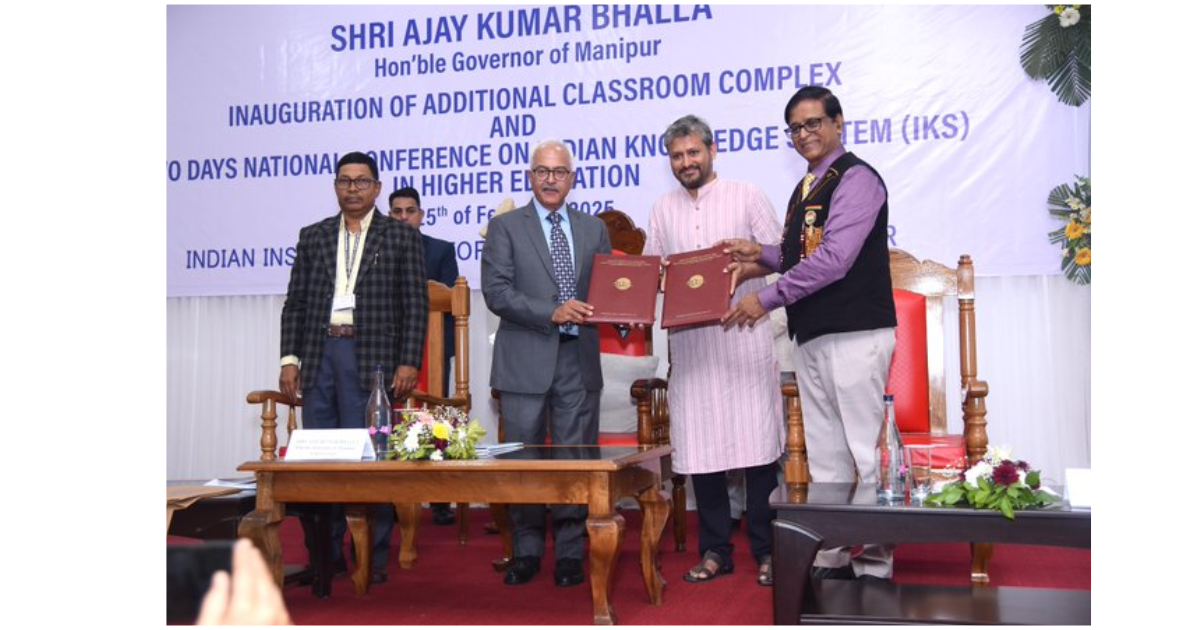
MoU with Indian Institute Of Information Technology Manipur
Our MoU with IIIT Manipur, Imphal, and the IKS Conference organized at its campus on Feb 25th and 26th 2025,We look forward to continuing our engagement with these institutions and further advancing the vision of IKS.Bṛhat Role: Partner and Curator
.jpg)
Talks at Amrita School of Spiritual and Cultural Studies, Amrita University
Shri Raghava Krishna recently delivered two influential lectures at Amrita School of Spiritual and Cultural Studies, Amrita Vishwavidyapeetham in Kollam, Kerala. He enlightened the interdisciplinary faculty on 'Civilizational Policy Making' and conducted a Faculty Development Programme focusing on 'A Cognitive Shift to Solve Global Crises', emphasizing the role of Indian Knowledge Systems in tackling global issues. The enthusiastic response from faculty and students, coupled with Amma's blessings, signals a positive direction for prospective collaborative endeavors between the institutions.Bṛhat Role: Creation and Delivery
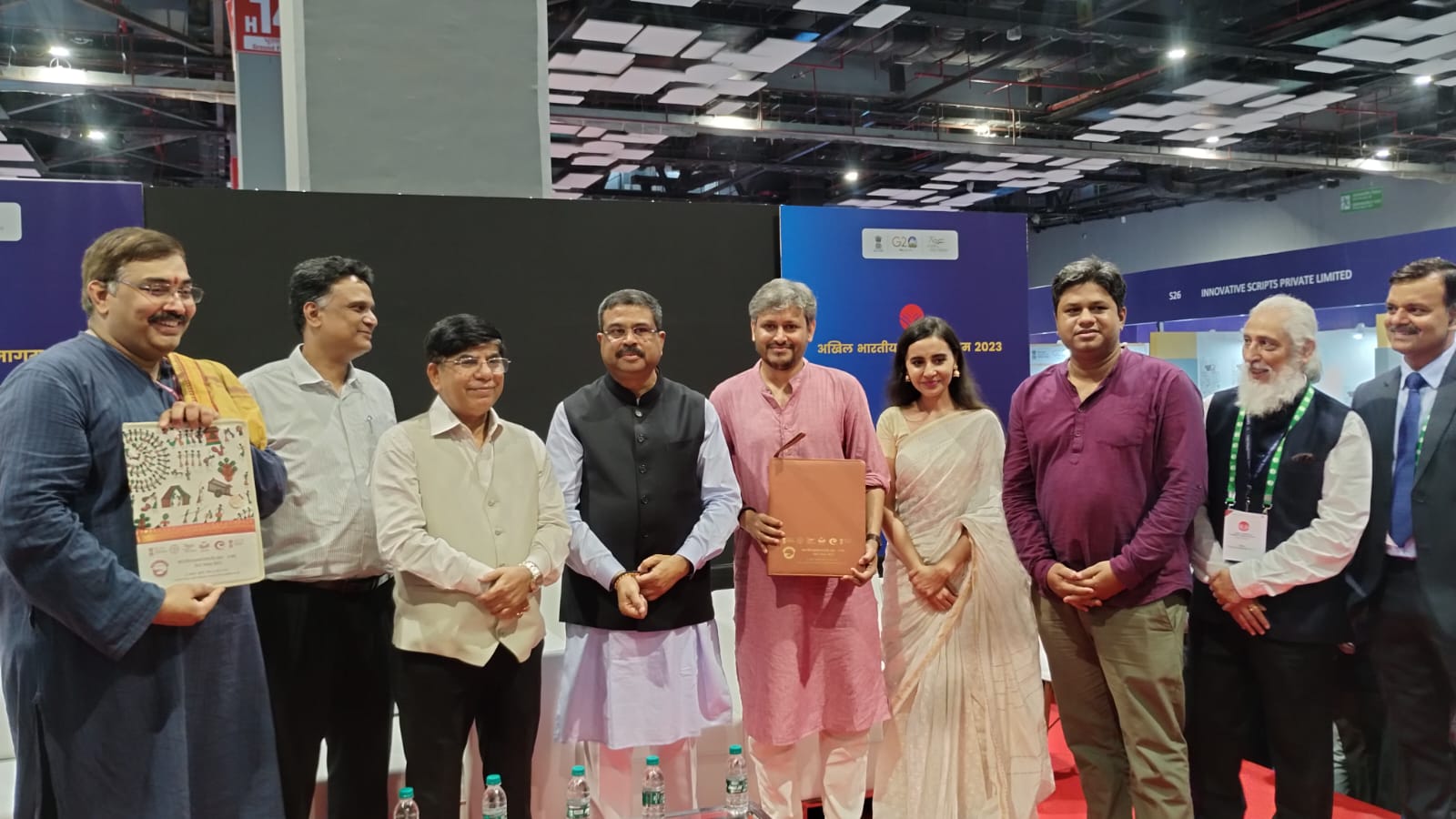
MoU with the Indian Knowledge Systems Division, Ministry of Education
On 29th July 2023, Brhat had the honour of signing an MoU with the Indian Knowledge Systems Division, Ministry of Education at the inauguration of the Akhil Bharatiya Shiksha Samagam, 2023 to further initiatives in the areas of IKS-centered education and culture-compatible public policy.

The event was aimed to create a forum where academics, sector experts, policymakers, industry representatives, teachers, and students could come together to exchange their perspectives, success stories, and best practices in implementing the NEP 2020.

We announced two courses on this occasion:
1. Design Thinking for Excellence in Public Services, from a civilizational perspective
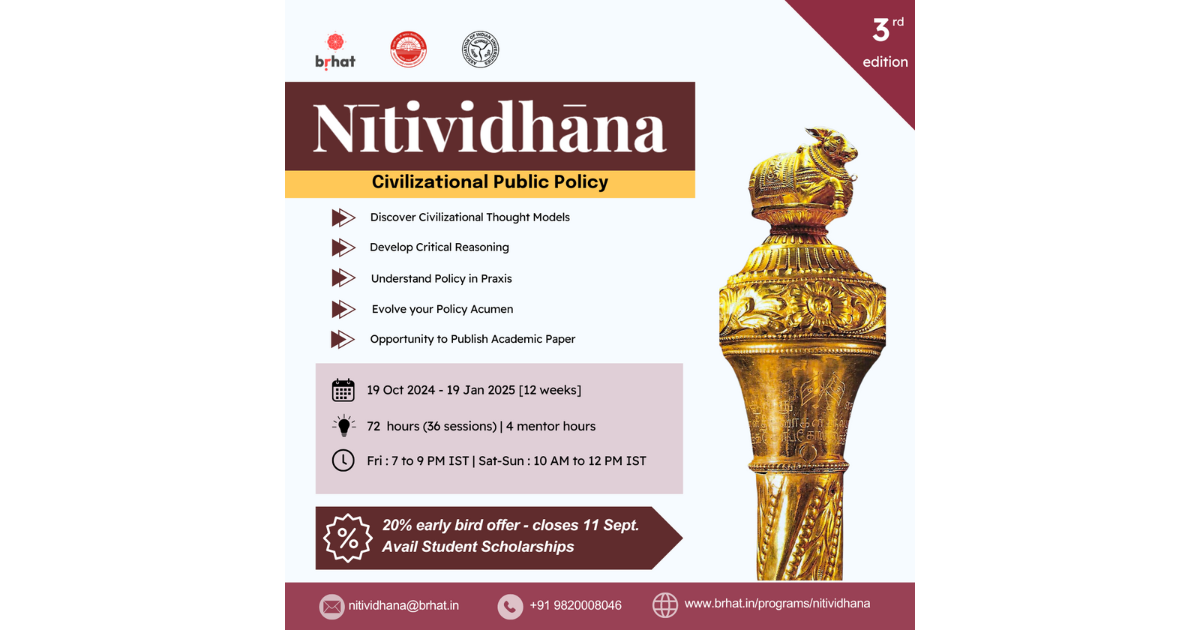
2. Nītividhāna: A course on Indic Public Leadership, moving beyond theory to practice and making culturally sensitive decisions in governance roles
Bṛhat Role: Partner and Curator
MoU with Chanakya University, Bangalore
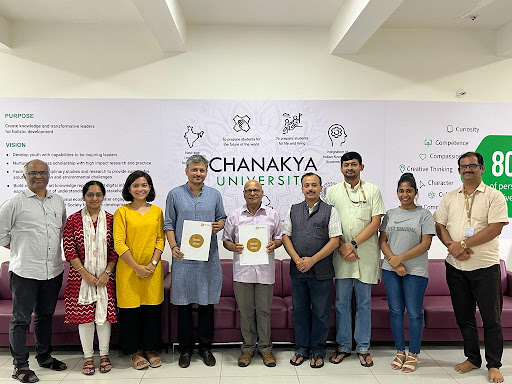
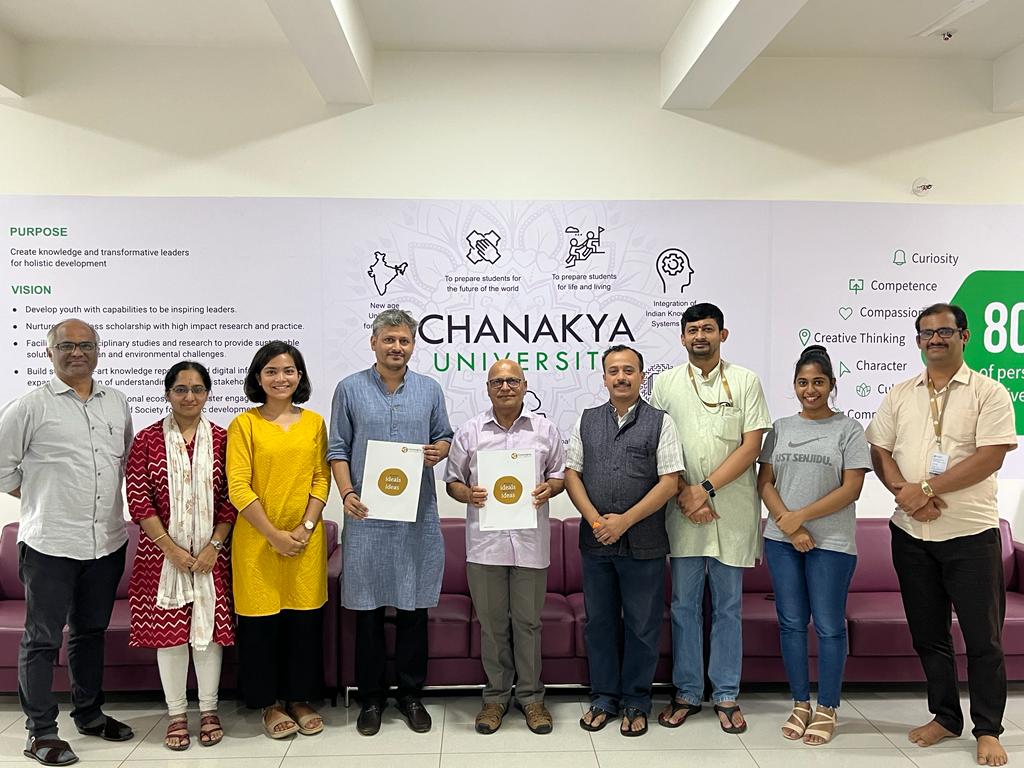
On June 26th, 2023 - Bṛhat Educational Trust signed an MoU with Chanakya University, Bangalore as a critical stepping stone to key initiatives in the emergent space of Indian Knowledge Systems. We look forward to the manifestation of this shared vision for the young minds of Bhārata through stimulating quality education and training in IKS that can further develop a comprehensive ecosystem for teaching and learning based on time-tested indigenous principles.Bṛhat Role: Partner and Curator
MoU with Amrita IKS Centre at Amrita Vishwa Vidyapeetham
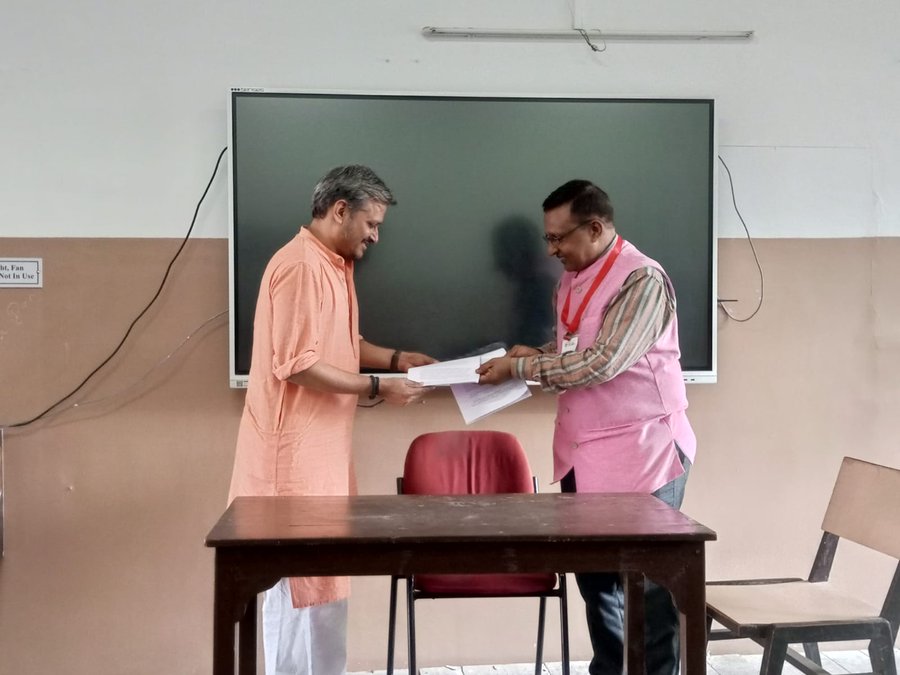
On December 19th, Bṛhat Education Trust proudly entered into a Memorandum of Understanding with the Amrita IKS Centre at Amrita Vishwa Vidyapeetham, marking a significant step towards nurturing a deeper understanding and appreciation of Indian Knowledge Systems.

At Bṛhat, we view Indian Knowledge Systems as a universal episteme deeply rooted in the rich tapestry of our civilizational knowledge and values. The Amrita IKS Centre, a collaborative effort between the Amrita School of Ayurveda and Amrita Darshanam – Amrita Centre for Spiritual & Cultural Studies, aligns perfectly with our vision.

Students at Amrita Vishwa Vidyapeetham (AVV) have demonstrated a profound interest in exploring our cultural heritage. In response to this enthusiasm, our partnership will concentrate on several strategic areas to foster civilization-centered leadership skills among students. This includes supporting Curriculum and Capacity Building with a focus on IKS.

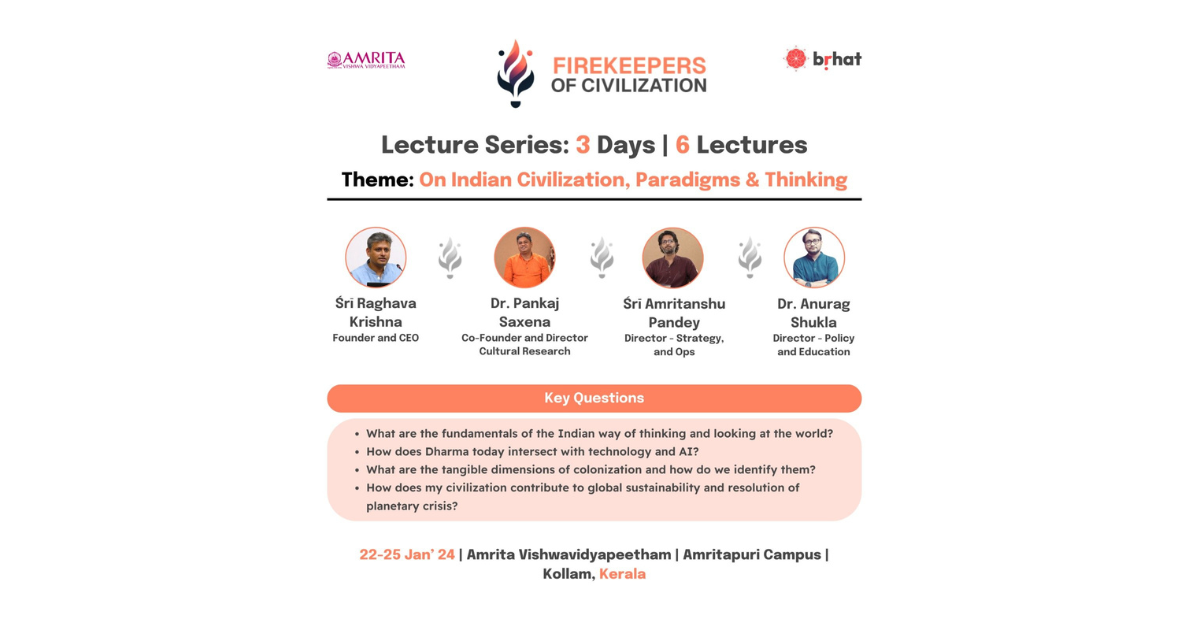
Our inaugural initiative under this partnership is the "Firekeepers of Civilization" program. This comprehensive module is designed to ignite wonder and curiosity while instilling a strong sense of civilizational awareness. Our goal is to prepare students for the challenges ahead by generating a deep, reflective understanding of their cultural legacy.

We are committed to meeting students and educators at their current level of understanding and guiding them through perspectives grounded in the first principles of Indian Knowledge Systems. This partnership between Bṛhat Education Trust and Amrita Vishwa Vidyapeetham is more than an agreement; it's a beacon for future generations to discover, understand, and cherish the wealth of knowledge that defines our civilization. Join us as we embark on this enlightening journey together.
Bṛhat Role: Partner and Curator
MoU with Sri Chandrasekharendra Saraswathi Viswa Mahavidyalaya, Kancheepuram
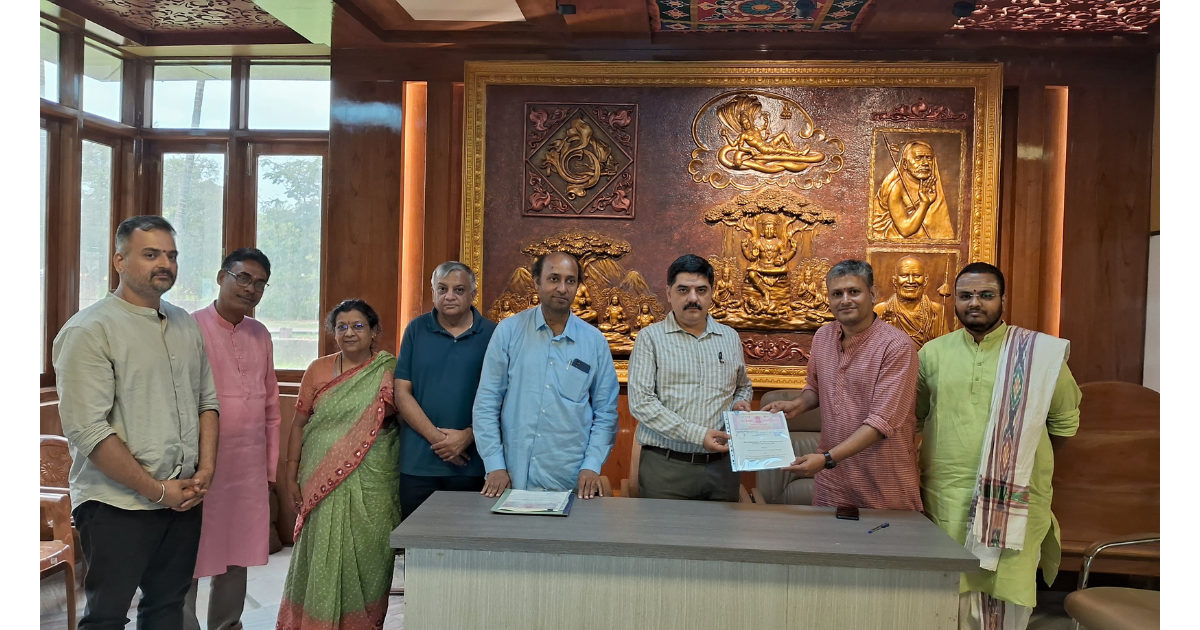
On 21st July 2025, Brhat has signed a Memorandum of Understanding (MoU) with Shri Chandrasekharendra Saraswathi Viswa Mahavidyalaya (SCSVMV) to advance the integration of Indian Knowledge Systems (IKS) into modern education. This collaboration will drive initiatives such as faculty development programs (FDPs) and student training modules, enabling educators and learners to engage deeply with India's intellectual traditions. The partnership reflects Brhat’s ongoing mission to make IKS accessible, contemporary, and impactful across educational spaces.Bṛhat Role: Partner and Curator
Integrating Indian Psychology - Review and Way Forward
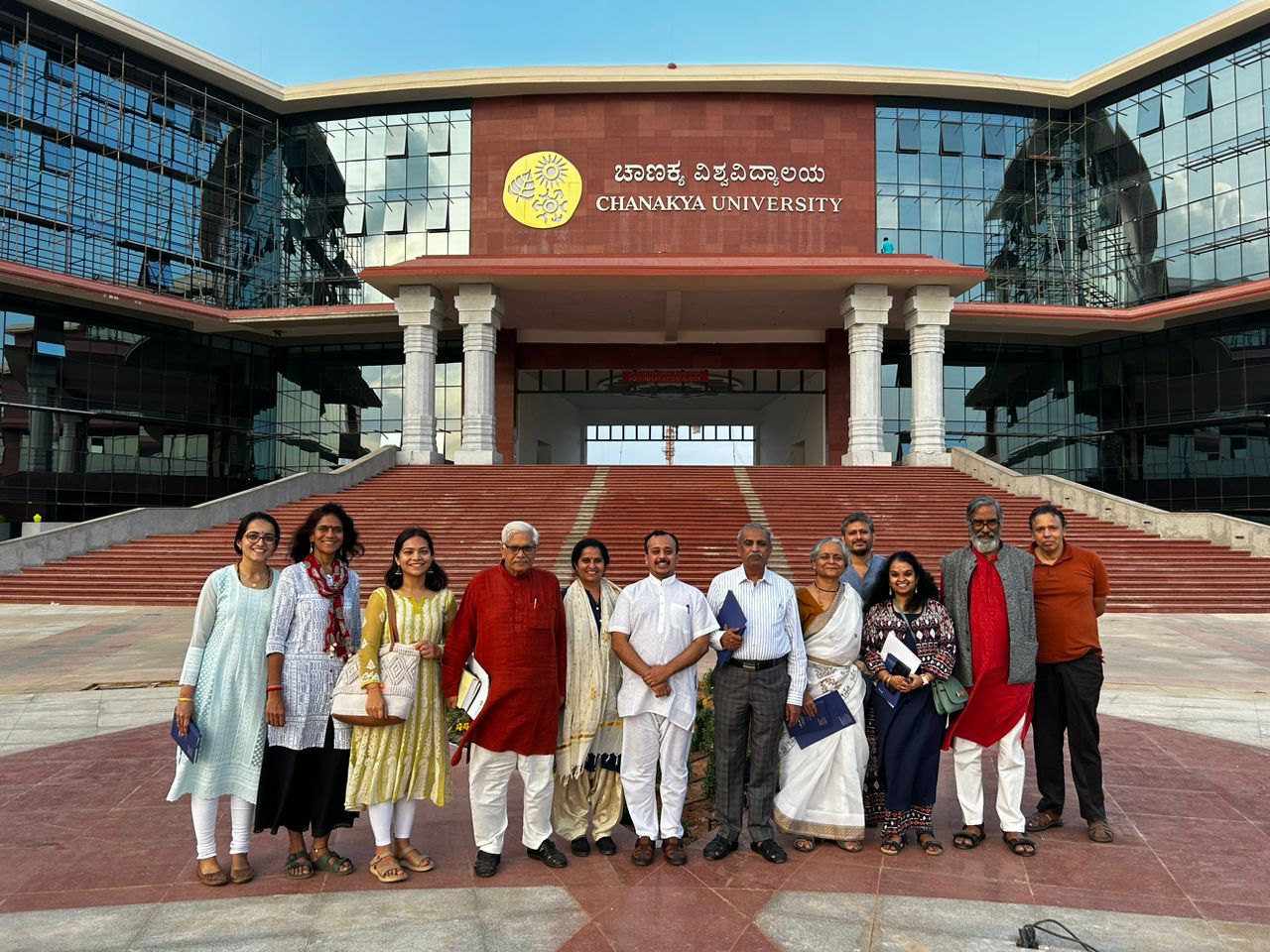
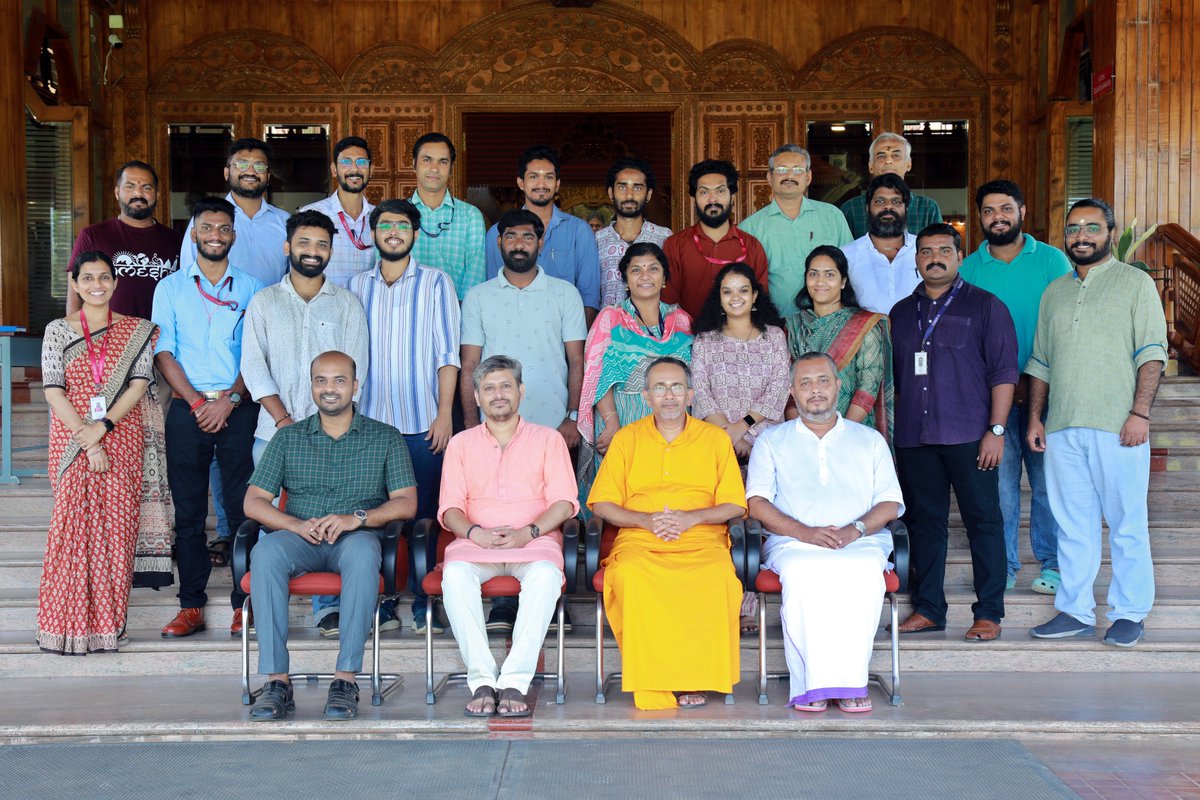
In a groundbreaking 3-day workshop held at the Ritambhara Retreat Centre in Bengaluru, thought leaders from key institutions such as the Centre for Indian Knowledge Systems and Chanakya University convened to chart a new course for Indian Psychology. The workshop, underpinned by the profound concept of Puruṣārtha Śāstra, laid out a visionary framework for understanding and nurturing the human psyche through the lens of India's rich intellectual and spiritual traditions.

Participants undertook a critical review of the prevailing psychological landscape and its shortcomings in fostering holistic well-being. They envisaged a transformative educational model that promotes interdisciplinary learning and leverages the time-honored guru-śiṣya tradition. The collective commitment was to establish 50 specialized institutions dedicated to redefining psychology, deeply anchored in indigenous knowledge and tailored diagnostic tools focused on consciousness.

This initiative signifies a paradigm shift from a fragmented to a more integrated approach to mental health, with Brhat Education positioned at the forefront of this movement. Brhat's pivotal role in this initiative involves spearheading educational reforms, shaping curricula, and nurturing the capacity of future practitioners in Indian Psychology. This synopsis captures the essence of Brhat's mission and ongoing projects, showcasing its commitment to revolutionizing the field and fostering a society rooted Indic psychological wisdom.
Bṛhat Role: Curator and Consultant
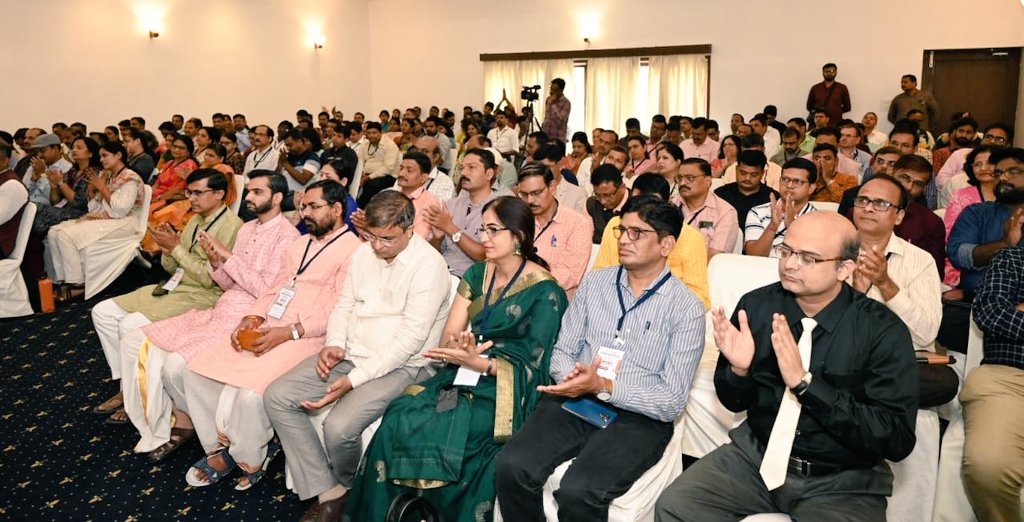
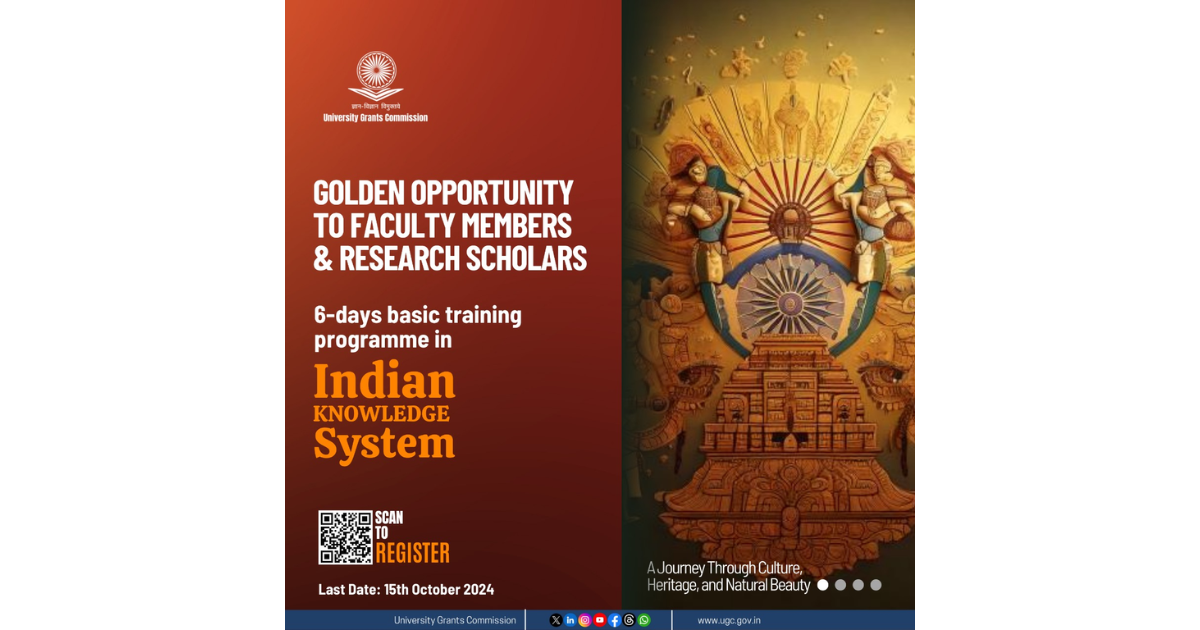
Faculty Training Programme in IKS by the UGC
The Indian Knowledge Systems (IKS) Division within the Ministry of Education kick-started the first in its Faculty Training Programmes (FTP) series, a collaborative effort with the University Grants Commission (UGC), at the HRDC in Nagpur, Maharashtra. This initiative is set to be replicated across various states in the following six months at other UGC HRDCs.

The Nagpur FTP spanned from July 31st to August 5th, 2023, and was attended by around 180 faculty members from different higher education institutions. The programme offered a hands-on approach to embedding Indian Knowledge Systems in the academic curriculum, encompassing a wide range of subjects from Ayurveda to Temple Management and Inter-Civilizational discourse.

Dr. Pankaj Saxena (Co-Founder & Director of Cultural Research, Bṛhat) and Sri Raghava Krishna (Founder & CEO, Bṛhat) were among the key speakers at the event. Dr. Saxena elucidated on the Hindu Temple's integral role in sustaining civilizational memory and culture, underscoring its significance in societal functions, including economics and scholarship. Concurrently, Sri Raghava Krishna spoke on Bhārata's rich and longstanding civilization, emphasizing its ontological and epistemological traditions and their capacity to provide solutions to modern challenges, alongside their historical global impact and the importance of incorporating these traditions into current educational curricula.
Bṛhat Role: Curator and Consultant
.png)
MoU with ŚIKṢĀ: Study Centre for Indian Knowledge System for Holistic Advancement
On 23rd October 2024 to continue our efforts to promote IKS as an essential epistemic lens, we signed a Memorandum of Understanding with ŚIKṢĀ: Study Centre for Indian Knowledge System for Holistic Advancement, based at IIT Kanpur. We will collaborate with the center to develop IKS courses aligned with the NEP, alongside workshops and FDPs.Bṛhat Role: Partner and Curator
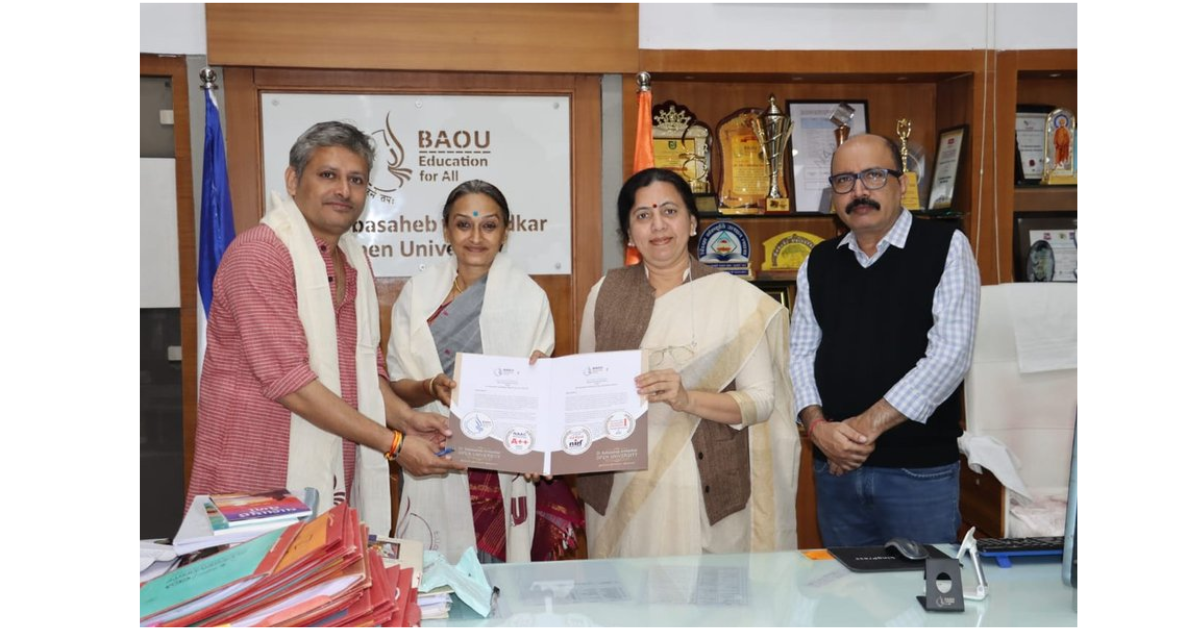
MoU with Babasaheb Ambedkar Open University (BAOU)
On 4th of January we are delighted to announce our partnership with Babasaheb Ambedkar Open University (BAOU), a NAAC accredited A++ and Category 1 (UGC) university. Together, we will offer IKS-related workshops, sessions, and courses.Bṛhat Role: Partner and Curator
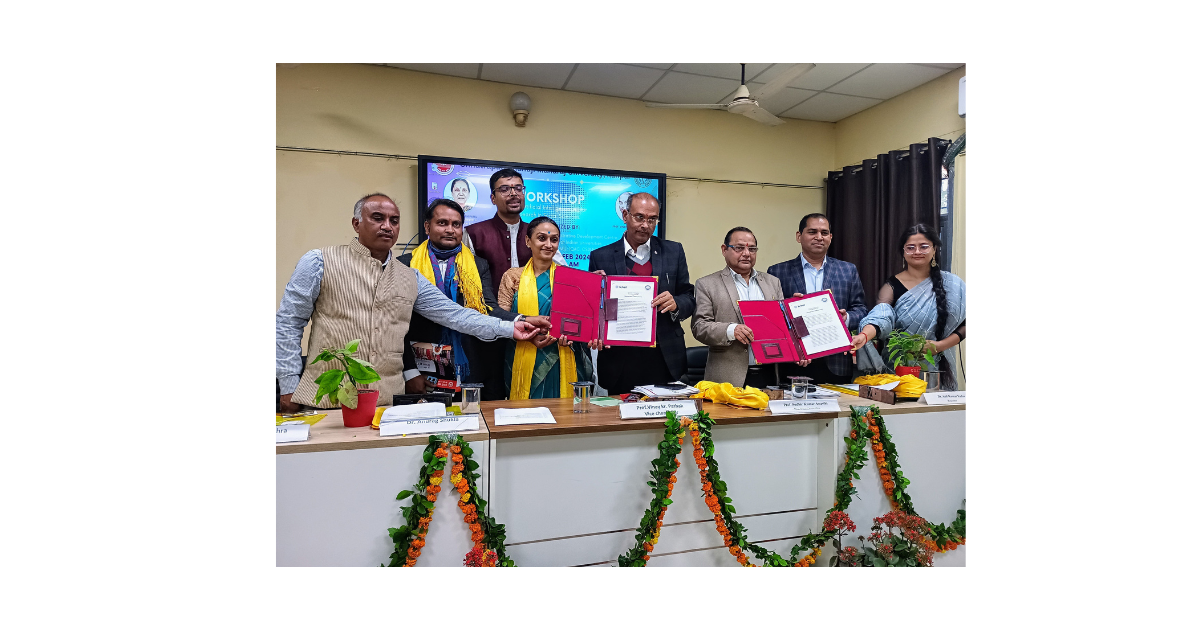
MoU with Chhatrapati Shahu Ji Maharaj University, Kanpur
On February 19th, 2024, Brhat signed a significant Memorandum of Understanding with Chhatrapati Shahu Ji Maharaj University (CSJMU), Kanpur, initiating a landmark collaboration. This partnership was celebrated with a week-long workshop on AI for Research in Social Sciences, starting on the auspicious occasion of Chhatrapati Shivaji Maharaj Jayanti. The event focused on the exploration of Digital Humanities through the Indigenous Knowledge Systems (IKS) lens, emphasizing the importance of integrating IKS into all facets of academic and policy-making activities. Vice Chancellor Vinay Kumar Pathak advocated for the foundational role of IKS in the university's departments, identifying four critical focus areas: the study of Digital Humanities with an IKS perspective, the development of an IKS-based curriculum across all streams, faculty development through IKS, and the incorporation of IKS insights into public policy. This MOU, marking the first such collaboration with a State University for Brhat, underscores CSJMU's historical interest in interdisciplinary humanities and social sciences and its partnership with the Deendayal Research Institute, demonstrating a mutual commitment to enriching contemporary academic and policy domains with traditional knowledge.Bṛhat Role: Curator and Consultant
.png)
MoU with Auro University, Surat
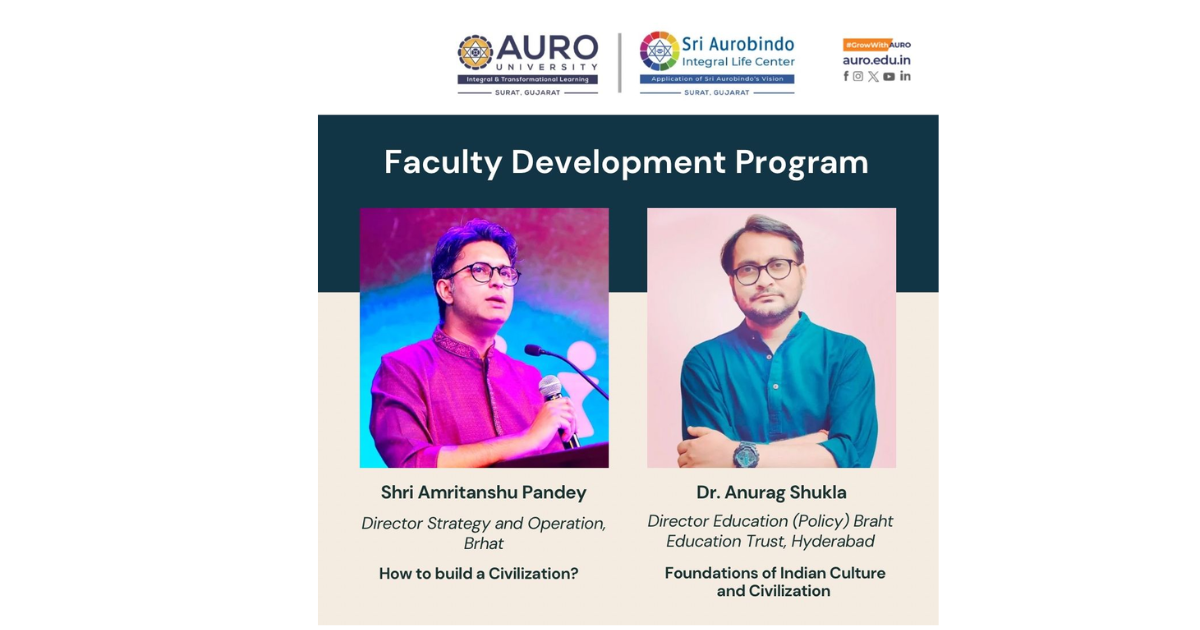
On 19th October 2024, Bṛhat signed an MoU with Auro University, Surat. The MoU will have both Bṛhat and Auro University working together on offering faculty development programs (FDPs), conducting Nītividhāna (civilizational public policy program), and identifying and hosting research scholars on IKS subjects. In this critical partnership, we hope to build a future rooted in Indian wisdom, empowering educators and students alike.Bṛhat Role: Partner and Curator
.png)
MoU with Gujarat University
On December 16, 2024, under the esteemed leadership of the Vice-Chancellor, Dr. Neerja Gupta Ji a Memorandum of Understanding (MoU) was signed with Gujarat University
This collaboration marks a significant step towards integrating Indian Knowledge Systems (IKS) into Higher Educational Institutions (HEIs).Through this partnership, we will jointly develop curricula, design courses, organize Faculty Development Programmes (FDPs), and conduct IKS workshops.
We are committed to bringing IKS closer to all stakeholders and fostering its widespread implementation in higher education.
Bṛhat Role: Partner and Curator
IKS Bulletin
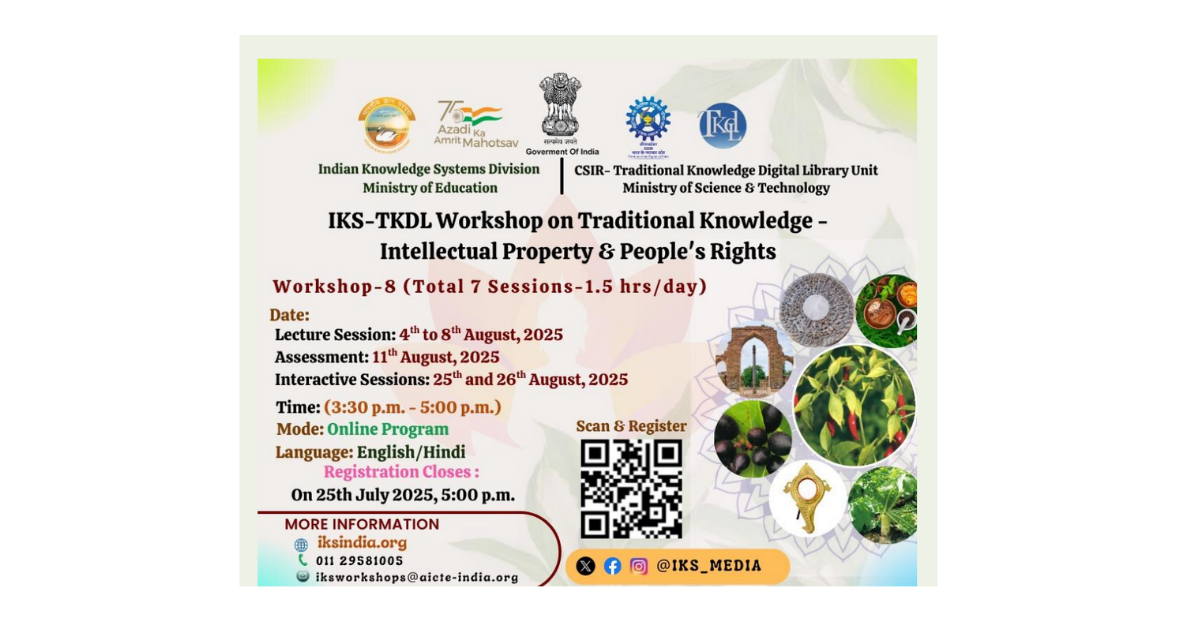
IKS-TKDL Workshop-8 on Traditional Knowledge - Intellectual Property & People's Rights
India’s rich cultural and traditional heritage, shaped over millennia, remains deeply relevant today. In line with NEP 2020’s vision of integrating traditional knowledge into education, the Indian Knowledge Systems (IKS) Division and the CSIR–Traditional Knowledge Digital Library (CSIR-TKDL) Unit have launched a joint initiative. This aims to raise awareness and provide training on traditional knowledge, intellectual property rights (IPR), and the rights of knowledge holders. The initiative underscores the role of traditional knowledge in national development, while promoting ethical practices in its use and preservation.
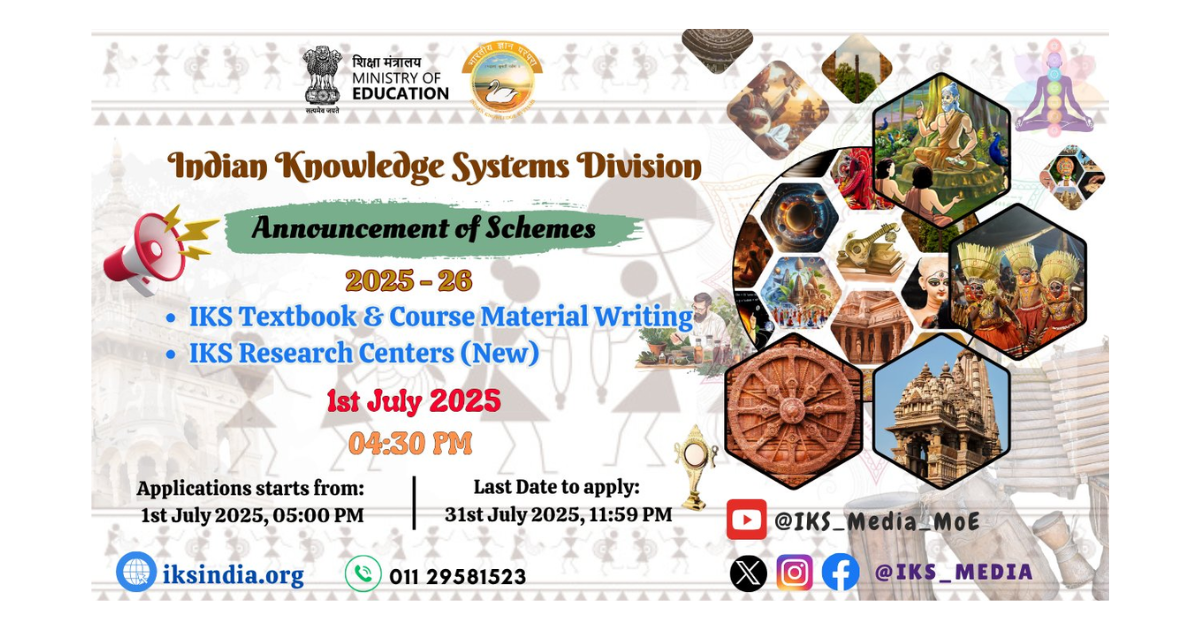
IKS Division's Scheme for IKS Center and Textbook Course Material.
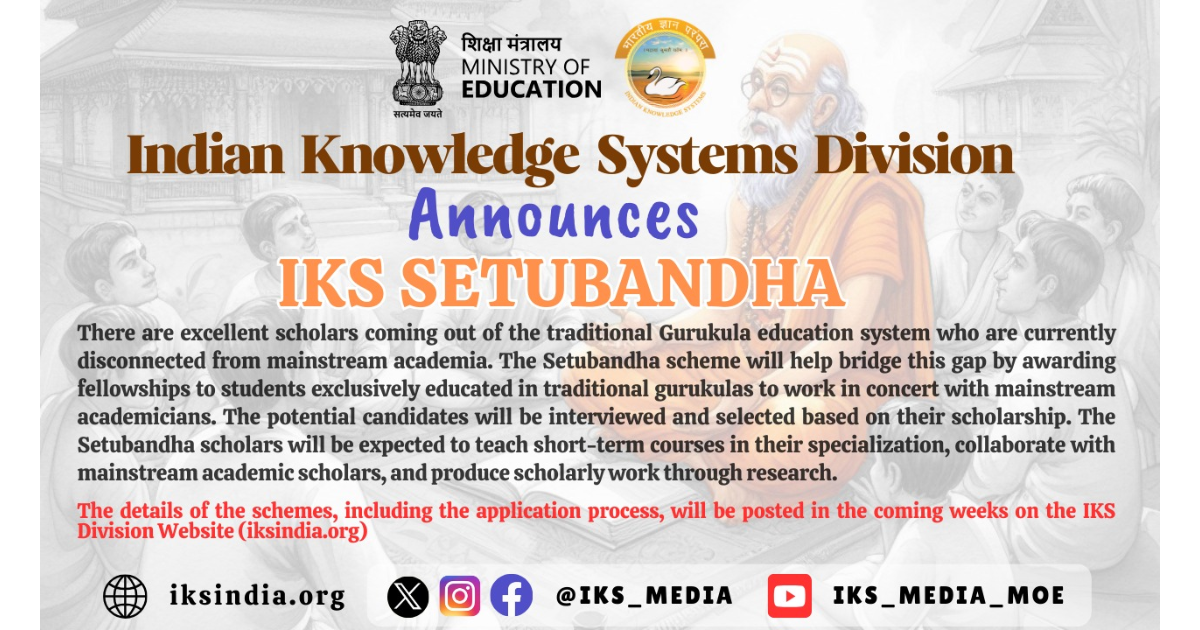
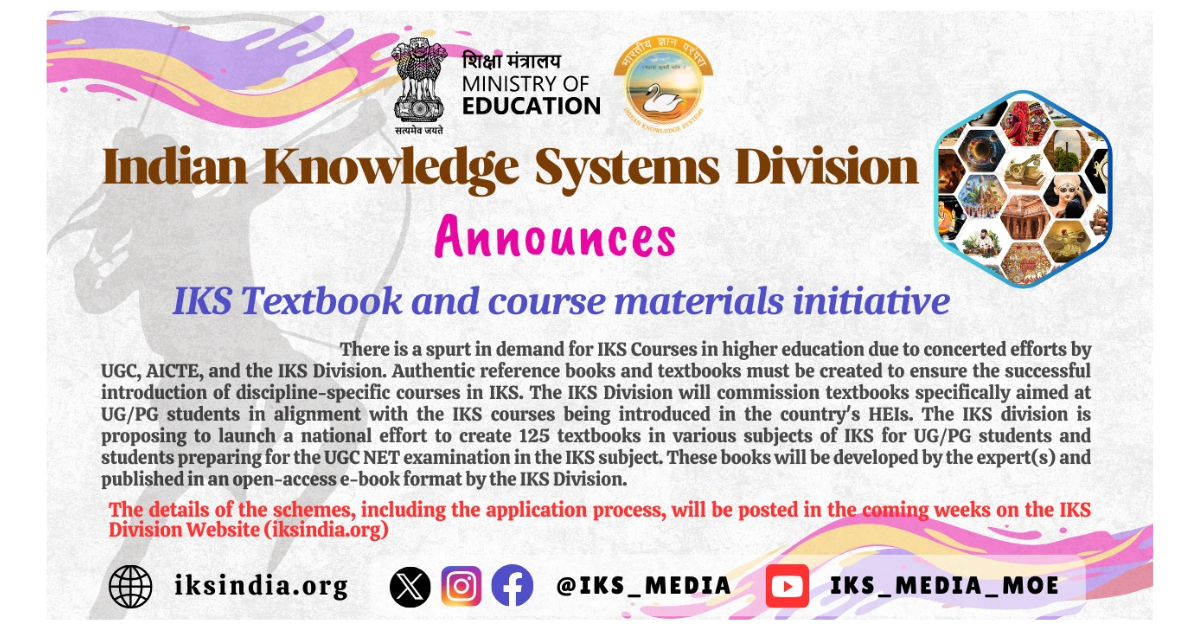
The Indian Knowledge Systems (IKS) Division is inviting proposals under two newly launched schemes: IKS Research Center–5: Aimed at catalyzing research and education in Indian Knowledge Systems, this scheme offers funding of up to ₹5 lakhs per year for 2 years, with a required matching grant. IKS Textbook & Course Material Writing–02: This initiative supports the development of high-quality textbooks and course materials rooted in Indian Knowledge Systems. Last date to submit proposals for both schemes: July 31, 2025.
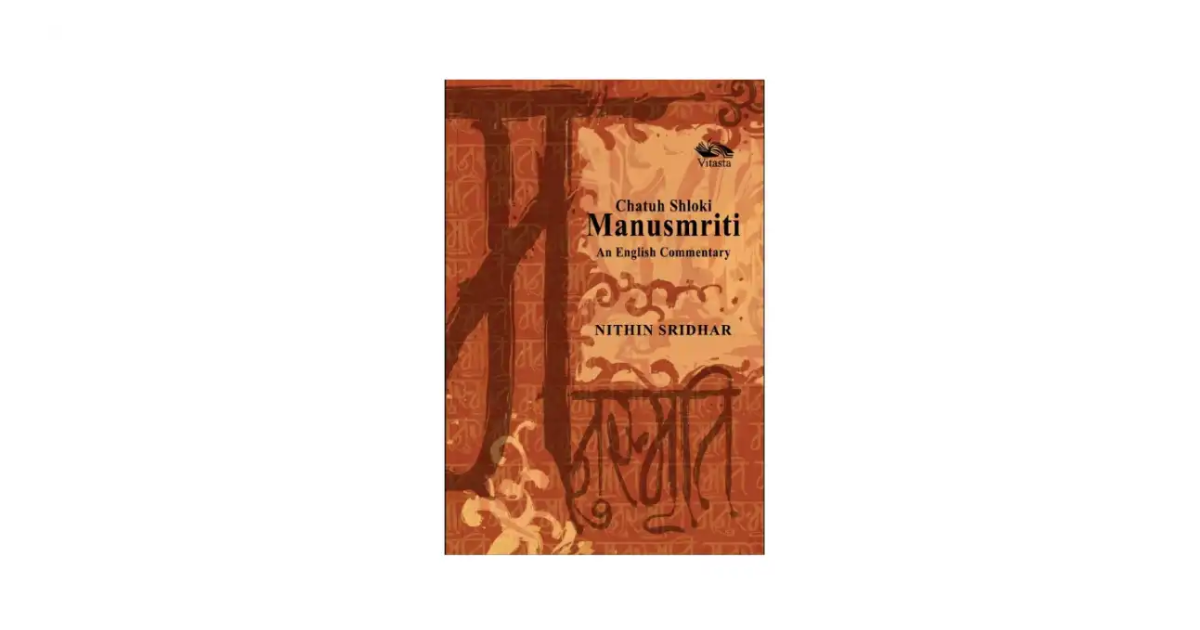
Book Review | Chatuh Shloki Manusmriti - An English Commentary by Nithin Sridhar
Chatuh Shloki Manusmriti: An English Commentary by Nithin Sridhar offers a focused, traditional-style exposition of the first four verses (shloki) of the Manusmṛti, situating them within the broader Vedantic and dharmaśāstra tradition. Sridhar draws on classical Sanskrit commentaries and lineage-based interpretation to clarify foundational concepts like dharma, varṇa, and ritual competency, countering modern misreadings rooted in colonial biases . A scholarly foreword by Prof Bharat Gupt frames the work as a necessary corrective to fragmented and prejudiced engagements with Manusmṛti , presenting its early verses as a coherent ethical vision, not a disjointed relic . This commentary is praised as a model for IKS scholars, combining depth with clarity, and restoring dignity and context to a text that is often misunderstood or dismissed .
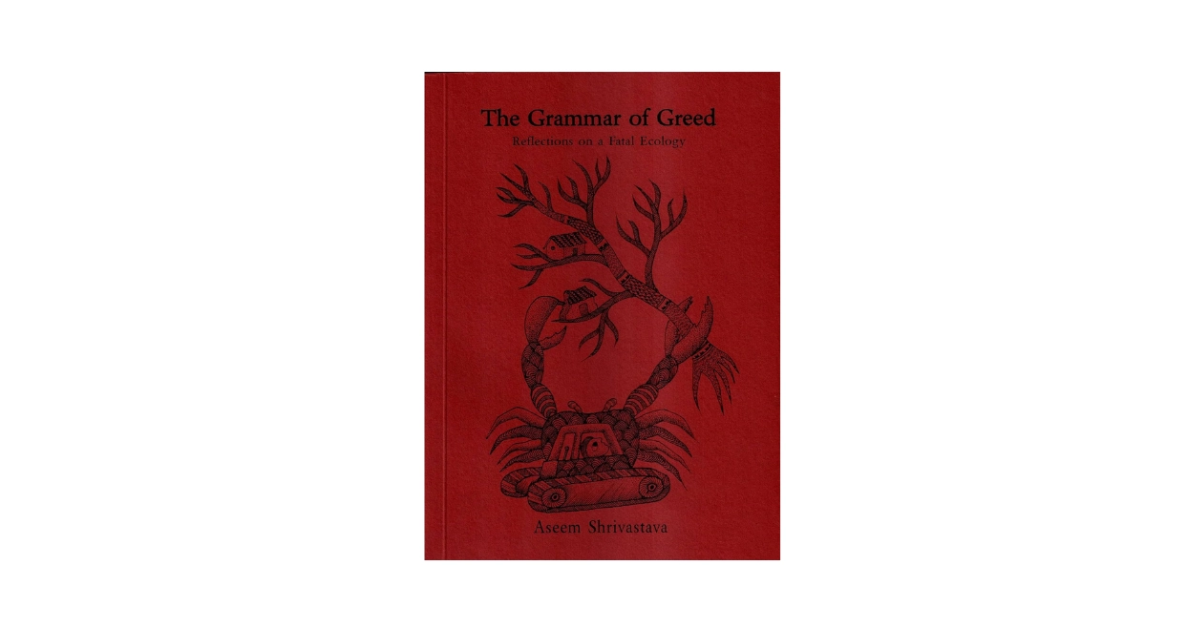
Book Review | Grammar of Greed - Reflections on a Fatal Ecology by Aseem Shrivastava
Grammar of Greed critically examines how language structures—its grammar—subtly normalize and legitimize the logic of greed and profit. The book unpacks how economic rationality is embedded in everyday communication, shaping thought and discourse in ways that reinforce exploitative systems. By revealing these hidden linguistic mechanisms, the authors invite readers to question dominant narratives and explore more ethical, dharma-aligned ways of thinking and expressing.
.png)
.png)
.png)
.png)
.png)
.png)

.png)
.png)
.png)
.png)
.png)
.png)
.png)
.png)
.png)
.png)
.png)
.png)
.png)
.png)
.png)
.png)
.png)
.png)
.png)
.png)
.png)
.png)
.png)
.png)
.png)
.png)
.png)
.png)

.png)
.png)


.png)


Summary of Guidelines for Incorporating Indian Knowledge in Higher Education Curricula
The University Grants Commission (UGC) has published "Guidelines for Incorporating Indian Knowledge in Higher Education Curricula" to integrate Indian Knowledge Systems (IKS) into higher education. This initiative aligns with the National Educational Policy (NEP) 2020, which emphasizes the importance of India's rich heritage and aims to foster knowledge that is rooted in Indian culture and traditions.
Focus Areas
Curriculum Building
Bṛhat offers support for curriculum development. The principles of curriculum building in the Indian Knowledge System work differently as there is no separation or hierarchy of subjects or topics. This is equally true for pedagogies that are to be followed for IKS-based curriculum.

NEP-IKS Implementation
One of the objectives of the National Education Policy is to use and integrate the Indian Knowledge Systems in curriculum and pedagogies across higher education institutions. Also, NEP implementation is not just about creating new courses but also to make students, faculty, staff and parents informed about the potential that IKS holds.
Competency Development
Any task of IKS integration and implementation would be insufficient if human resources in the respective areas are not created. Bṛhat has been partnering with AICTE on its various initiatives. Bṛhat intends to conduct capacity building workshop for faculties in higher educational institutions, and create a critical network of likeminded individuals, who further contribute to mainstreaming of IKS curriculum and pedagogies.
Learning Design
IKS integration and implementation would not be possible without thinking about it from a design perspective. An IKS based design that provides pillars to any IKS course. Bṛhat envisages itself as a nodal agency, helping institutions digitize their curriculum and pedagogies, and also introducing learning designs that are compatible with IKS thinking. In addition to assisting institutions and organizations with the incorporation of IKS into their daily operations, Bṛhat wants to create in-house expertise in education, psychology, political-comparative philosophy and public policy. These three topics are central to Bṛhat's work and are therefore given priority for IKS redesign.
IKS Primers
Gurukulavāsa – Making a Śiṣya Out of a Vidyārthī
Kavita Krishna Meegama
Conserving the Texts, Transmitting the Knowledge: The Place of Gurus in Ancient Indian Education
Anurag Shukla
How Gurukulam Learning Differs from Regular Education: What I Learnt at AVG Part 1
Kavita Krishna Meegama
IKS Roadmap and Strategy
Our Partners